Trusted Women's Health & OB-GYN Care in Seoul · All-Female Specialists
4.9 Patient Satisfaction
en-US

Uterine Fibroid (Myoma) Treatment · Needs Clinic Confirmation
Fibroid & Polyp Care
Fibroids and polyps are benign growths, they differ in their origin, structure, and potential impact on the body.
Schedule a ConsultationFibroid & Polyp Care
Comprehensive Management of Common Uterine Conditions
Uterine fibroids and endometrial polyps are among the most frequently diagnosed conditions in gynecological practice. While they are generally non-cancerous, they can significantly affect menstrual patterns, cause discomfort, and impact overall reproductive health if not properly monitored.
At Tongil OB&GY Clinic, located inSeocho-gu, Seoul, patients receive structured and personalized care through dedicatedFibroid & Polyp Careservices. Under the leadership ofDr. Rae Ok Park, a board-certified obstetrics and gynecology specialist with decades of experience, the clinic focuses on accurate diagnosis, careful monitoring, and individualized treatment planning.
The goal is not only to manage symptoms but also to maintain long-term uterine health through consistent and well-guided care.
Understanding Uterine Fibroids and Polyps
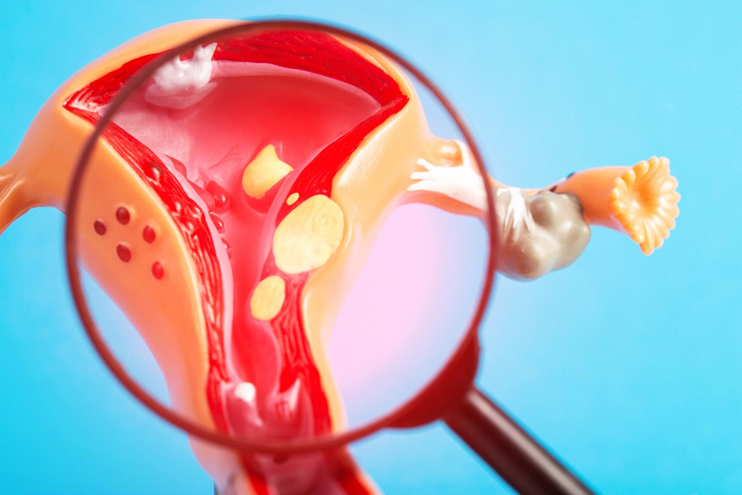
Although both fibroids and polyps are benign growths, they differ in their origin, structure, and potential impact on the body.
Uterine Fibroids
Fibroids develop from the muscular layer of the uterus. They can vary widely in size—from very small growths to larger masses—and may be located inside, within, or outside the uterine wall.
Depending on their size and location, fibroids may:
- Affect menstrual flow
- Cause pelvic pressure
- Lead to discomfort during daily activities
Some fibroids remain stable over time, while others may grow gradually, requiring closer monitoring.
Endometrial Polyps
Polyps form in the inner lining of the uterus (endometrium). They are typically smaller than fibroids but can still affect menstrual regularity.
Polyps are commonly associated with:
- Irregular bleeding
- Spotting between periods
- Changes in cycle patterns
Even when symptoms are mild, proper evaluation is important to ensure accurate diagnosis and management.
Why Proper Diagnosis is Important
Fibroids and polyps may present with similar symptoms, but their management can differ. A precise diagnosis helps determine the most appropriate care approach.
At Tongil OB&GY Clinic, diagnosis is based on:
- Detailed symptom review
- Menstrual history
- Clinical evaluation
Understanding the exact condition allows for more effective and targeted care, reducing unnecessary treatments and ensuring better outcomes.
Expertise of Dr. Rae Ok Park

Dr. Rae Ok Park provides experienced care in managing uterine conditions.
Education and Clinical Background
- Catholic University Medical College graduate (1985)
- OB-GYN specialist certification (1992)
- PhD (1995) focused on cervical and reproductive health
Her extensive clinical experience allows for accurate evaluation of uterine conditions and careful long-term management tailored to each patient.
Common Symptoms and When to Seek Care
Fibroids and polyps may develop gradually, and symptoms can vary depending on the individual.
Patients often visit Tongil OB&GY Clinic with concerns such as:
- Heavy or prolonged menstrual bleeding
- Irregular or unpredictable cycles
- Pelvic pressure or discomfort
- Spotting between periods
In some cases, these conditions may not cause noticeable symptoms. This is why regular gynecological check-ups are important for early detection.
What to Expect During Your Visit
- Detailed Medical Review Your menstrual history, symptoms, and previous test results are carefully reviewed.
- Consultation with Dr. Rae Ok Park You will discuss any changes in your cycle or concerns related to uterine health.
- Targeted Examination An evaluation is performed to identify the presence, size, and location of fibroids or polyps.
- Clear Diagnosis Explanation Findings are explained in a simple and understandable way.
- Personalized Care Plan A treatment or monitoring plan is created based on your condition.
- Follow-Up Guidance You will receive clear instructions for ongoing care and monitoring if needed.
Treatment Options
Treatment depends on several factors, including the size of the growth, symptoms, and how the condition changes over time.
Monitoring and Observation
Small or symptom-free fibroids and polyps may not require immediate treatment. Regular monitoring helps track any changes.
Symptom-Focused Care
If symptoms such as heavy bleeding or discomfort are present, care is directed toward improving daily comfort and stability.
Medical Management
Medication may be used to help control symptoms and support balance within the uterus.
Ongoing Follow-Up
Regular check-ups are important to ensure that the condition remains stable and to detect any changes early.
Which Treatment is Right for You?
The most appropriate treatment approach depends on your individual condition.
At Tongil OB&GY Clinic, Dr. Rae Ok Park considers:
- The size and location of fibroids or polyps
- The severity of your symptoms
- Changes observed over time
- Your overall reproductive health
For some patients, simple monitoring is sufficient. Others may benefit from more active treatment or closer follow-up.
The goal is to provide care that is effective while avoiding unnecessary intervention.
Importance of Ongoing Monitoring
Even when symptoms are mild, fibroids and polyps should be monitored regularly.
Tracking Changes
Regular follow-up helps identify whether the condition is stable or changing.
Preventing Symptom Progression
Early management reduces the likelihood of symptoms becoming more severe.
Supporting Long-Term Uterine Health
Consistent care helps maintain balance and reduces uncertainty.
Patient-Centered Care Experience
Tongil OB&GY Clinic provides a calm and structured environment focused on patient comfort.
Patients are seen directly by Dr. Rae Ok Park, ensuring:
- Consistent evaluation
- Continuity in care
- Better understanding of long-term health patterns
Appointments are designed to be efficient while still allowing time for thorough consultation and clear explanations.
Integration with Women’s Health Services

Fibroid & Polyp Care is closely connected to other areas of gynecological health.
Menstrual Cycle Care
These conditions often affect cycle patterns and bleeding.
Hormone Balance Care
Hormonal factors may influence the development and progression of uterine growths.
Reproductive Health Consultation
Early consultation helps identify symptoms and guide appropriate care.
When to Visit Tongil OB&GY Clinic
You may consider visiting if you experience:
- Heavy or prolonged periods
- Irregular bleeding or spotting
- Pelvic discomfort
- Changes in menstrual cycle patterns
Even without symptoms, routine check-ups can help detect conditions early and provide reassurance.
Supporting Long-Term Uterine Health
At Tongil OB&GY Clinic,Fibroid & Polyp Care is focused on accurate diagnosis, personalized treatment, and consistent follow-up.
Under the care of Dr. Rae Ok Park, patients receive structured and reliable care tailored to their individual condition.
With a commitment to clarity, precision, and long-term monitoring, Tongil OB&GY Clinic in Seocho-gu, Seoul continues to support women in maintaining healthy uterine function and overall well-being.
Other Services
Explore additional treatments offered by our specialists.

Reproductive Health Consultation
A Reproductive Health Consultation is a comprehensive discussion and evaluation of a woman’s reproductive system, symptoms, and overall health.
Learn More

Feminine Hygiene Care
Feminine hygiene is not only about cleanliness—it is about maintaining the natural balance of the vaginal environment.
Learn More
Cervical Cell Monitoring
Cervical Cell Monitoring is the process of regularly observing changes in cervical cells over time.
Learn More