Trusted Women's Health & OB-GYN Care in Seoul · All-Female Specialists
4.9 Patient Satisfaction
en-US


Medical Guide
Comprehensive Viral Testing and Infection Management
Comprehensive viral testing and infection management services for accurate diagnosis and effective treatment. Protect your health—book your test today.
Schedule a ConsultationA Focused Approach to Women’s Health

Located in Seocho-gu, Seoul, Tongil OB&GY Clinic has been providing specialized obstetrics and gynecology care since 2000. Positioned along Gangnam-daero, the clinic offers convenient access while maintaining a quiet, private setting designed for women seeking professional and discreet medical attention.
With more than two decades of experience, the clinic emphasizes preventive care, early detection, and personalized treatment plans. Its structured, appointment-based system ensures that each patient receives dedicated time and attention without the time constraints often associated with larger hospitals.
In today’s healthcare landscape, viral infections remain a significant yet often under-recognized aspect of women’s health. Many infections can develop silently, without noticeable symptoms, making routine screening and timely intervention essential. By integrating viral testing into standard gynecological care, Tongil OB&GY Clinic supports a proactive model of healthcare—one that prioritizes prevention, early diagnosis, and long-term well-being.
Beyond immediate diagnosis, the clinic’s approach also focuses on education. Patients are guided to better understand how viral infections develop, how they are transmitted, and what preventive strategies can reduce risk. This educational component empowers individuals to make informed decisions about their reproductive and overall health.
Understanding Viral Infections in Women’s Health
Common Viral Conditions Affecting Gynecological Health
Viral infections are a key consideration in gynecology, as they can directly or indirectly affect reproductive organs, hormonal balance, and long-term health outcomes. Among the most clinically significant is the Human papillomavirus, a widespread virus with multiple strains, some of which are associated with cervical cell changes and an increased risk of cervical cancer.
Other viruses relevant to women’s health include:
- Herpes simplex virus (HSV), which may cause recurrent genital lesions
- Human immunodeficiency virus (HIV), which impacts immune system function
- Hepatitis B and C, which may affect liver health and pregnancy outcomes
- Emerging or less common viral infections that can influence systemic and reproductive health
These infections vary in their mode of transmission, clinical presentation, and long-term implications. Some may resolve spontaneously, while others require ongoing monitoring or treatment.
The Silent Nature of Many Viral Infections
One of the most important clinical challenges is that many viral infections remain asymptomatic in early stages. For example, HPV infections often do not produce visible symptoms but may still cause cellular changes detectable through screening.
Because of this, relying solely on symptoms is not sufficient. Regular testing becomes a critical tool for identifying infections before complications arise. Early detection allows healthcare providers to implement monitoring strategies or interventions that can significantly reduce the risk of disease progression.
Why Early Detection Matters
Early identification of viral infections supports:
- Timely clinical intervention and monitoring
- Prevention of complications, including precancerous changes
- Reduced risk of transmission to partners
- Improved reproductive planning and pregnancy outcomes
- Greater peace of mind through clarity and understanding
At Tongil OB&GY Clinic, viral testing is not treated as an isolated service but as part of a broader preventive care framework that supports women throughout different life stages.
Advanced Viral Testing and Diagnostic Approach
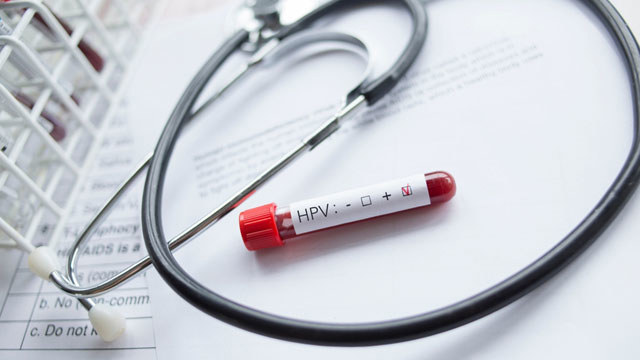
Comprehensive Screening Methods
Tongil OB&GY Clinic utilizes a range of validated diagnostic tools to detect viral infections accurately and efficiently. These include:
- Cervical cytology (Pap smear): Identifies abnormal cellular changes that may be associated with viral infections such as HPV
- HPV DNA testing: Detects high-risk viral strains even before cellular abnormalities develop
- Blood-based viral screening: Used for systemic infections such as hepatitis or HIV
- Molecular diagnostic techniques: Advanced methods that improve sensitivity and specificity in detecting viral genetic material
These technologies allow clinicians to move beyond symptom-based diagnosis and toward precise, evidence-based detection.
Integration of Screening and Clinical Evaluation
Testing is always paired with a comprehensive clinical evaluation. This ensures that results are interpreted within the context of the patient’s overall health profile.
Key components include:
- Detailed medical and gynecological history
- Assessment of lifestyle and risk factors
- Review of previous screening outcomes
- Consideration of hormonal and reproductive health
This integrated approach minimizes unnecessary testing while maximizing clinical relevance and accuracy.
Personalized Risk Assessment
Every patient receives an individualized risk assessment. This allows the clinic to tailor screening intervals and testing methods appropriately.
For example:
- Younger patients may benefit from preventive screening and vaccination guidance
- Patients with previous abnormal results may require closer monitoring
- Those planning pregnancy may undergo additional screening to ensure maternal and fetal safety
Personalization is central to achieving meaningful, patient-specific outcomes.
Infection Management and Treatment Strategies
Tailored Treatment Plans
Management of viral infections depends on multiple factors, including the type of virus, severity of infection, and individual patient considerations. At Tongil OB&GY Clinic, treatment plans are customized and may include:
- Antiviral medications where clinically indicated
- Regular follow-up testing to monitor progression or resolution
- Symptom management for conditions such as discomfort or inflammation
- Supportive care aimed at strengthening immune response
For HPV-related findings, management may involve observation, repeat testing, or minor procedures if abnormal cells are detected.
Monitoring and Long-Term Care
Viral infections often require ongoing monitoring rather than one-time treatment. The clinic emphasizes:
- Scheduled follow-up visits
- Repeat diagnostic testing when necessary
- Continuous evaluation of treatment effectiveness
- Adjustment of care plans based on clinical changes
This structured follow-up ensures that patients remain supported throughout their healthcare journey.
Preventive and Educational Strategies
Prevention is a key component of infection management. Patients receive guidance on:
- Vaccination options, including HPV vaccination
- Safe practices to reduce transmission risk
- Lifestyle factors that influence immune health
- Importance of routine screening even in the absence of symptoms
By combining treatment with education, the clinic helps patients take an active role in maintaining their health.
Who Should Consider Viral Testing?

Candidate Suitability
Viral testing is recommended for a wide range of individuals, including:
- Women undergoing routine gynecological examinations
- Patients with abnormal Pap smear or previous HPV results
- Individuals experiencing symptoms such as unusual discharge or pelvic discomfort
- Those with a history of viral infections or immune-related conditions
- Patients planning pregnancy or fertility treatments
- Individuals seeking preventive health screening
Importantly, even individuals without symptoms can benefit from testing, as many viral infections remain undetected without screening.
Screening Across Life Stages
The need for viral testing may vary depending on life stage:
- Young adults: Focus on prevention, vaccination, and baseline screening
- Reproductive years: Emphasis on regular screening and reproductive planning
- Perimenopause and beyond: Continued monitoring to detect late-onset changes
This life-stage approach ensures that care remains relevant and proactive.
What to Expect During the Testing Process
Step-by-Step Procedure
The testing process at Tongil OB&GY Clinic is designed to be efficient, respectful, and patient-centered.
1. Initial ConsultationPatients discuss their medical history, symptoms, and concerns in a confidential setting.2. Physical ExaminationA gynecological examination is performed to assess overall reproductive health.3. Sample CollectionDepending on the required tests, samples may include cervical swabs or blood draws. These procedures are generally quick and minimally uncomfortable.4. Laboratory AnalysisSamples are processed using standardized and validated diagnostic methods to ensure accuracy.5. Results and Follow-Up
Results are explained clearly, and patients receive guidance on next steps, whether that involves monitoring, treatment, or reassurance.
Patient Comfort and Privacy
The clinic places strong emphasis on:
- Maintaining patient dignity during examinations
- Ensuring clear communication at every step
- Providing a calm and private environment
- Allowing sufficient time for questions and discussion
This approach helps reduce anxiety and supports a more positive healthcare experience.
Leadership Backed by Medical Expertise
At the core of Tongil OB&GY Clinic is Dr. Rae Ok Park, an experienced obstetrician-gynecologist with both MD and PhD qualifications.
Her background includes:
- Graduate of Catholic Medical College
- Certified OB-GYN specialist since 1992
- PhD focused on cervical cancer viruses
- Active contributor to medical research and innovation
- Developer of patented antiviral and anticancer-related substances
Dr. Park’s expertise bridges clinical practice and scientific research, particularly in the field of viral-related gynecological conditions. Her academic work enhances the clinic’s ability to apply current medical knowledge to real-world patient care.
This dual focus strengthens both diagnostic accuracy and treatment planning, ensuring that patients benefit from a well-informed and up-to-date approach.
Hospital Strengths and Clinical Environment
Specialized Outpatient Care
Tongil OB&GY Clinic operates as a focused outpatient facility, offering:
- A single specialist-led care model
- Efficient consultation and follow-up systems
- A calm, private clinical environment
- Streamlined patient flow without inpatient complexity
This structure allows for consistent care delivery and minimizes unnecessary delays.
Personalized and Confidential Care
The appointment-based system supports:
- Extended consultation times
- Continuity of care with the same physician
- Enhanced confidentiality for sensitive health concerns
- Clear and thorough communication
These factors are especially important in managing viral infections, where trust and discretion are essential.
Recovery, Safety, and Realistic Outcomes
What Patients Can Expect
Most viral testing procedures are minimally invasive and require little to no recovery time. Patients can typically resume daily activities immediately after testing.
For those undergoing treatment:
- Recovery varies depending on the specific condition
- Many treatments are outpatient-based and well-tolerated
- Follow-up care ensures appropriate healing and monitoring
Safety and Clinical Standards
Tongil OB&GY Clinic adheres to established medical standards and emphasizes:
- Evidence-based diagnostic and treatment protocols
- Patient safety at every stage of care
- Transparent discussions about risks and expectations
- Ongoing monitoring to ensure optimal outcomes
It is important to recognize that while many viral infections can be effectively managed, outcomes depend on early detection, patient adherence to follow-up care, and individual health factors.
A Reliable Choice for Women’s Preventive Care in Seoul
With a long-standing presence, strong medical leadership, and a commitment to individualized care, Tongil OB&GY Clinic provides a structured and reliable approach to viral testing and infection management.
By integrating clinical expertise, research-driven insights, and patient-centered care, the clinic supports women in maintaining their health through early detection, accurate diagnosis, and thoughtful long-term management.
For women seeking professional, discreet, and comprehensive gynecological care in Seoul, Tongil OB&GY Clinic represents a dependable and medically grounded choice—focused not only on treating conditions, but also on supporting lifelong health and well-being.
More Articles
Continue reading our clinical guides.

Why Patients Choose Korea for Minimally Invasive Gynecological Care
The landscape of women’s healthcare in South Korea is undergoing a rapid transformation. According to the Korea Health Industry Development Institute KHIDI, foreign patient visits surged by 93.2% in 2024, with the medical tourism market pro
Learn More

Korean Medical Tourism: Why Reproductive Health Consultation Leads the Market
The landscape of global healthcare is shifting rapidly, with South Korea emerging as a premier destination for specialized care. In 2024, the South Korean medical tourism market surpassed a historic milestone, welcoming over 1.17 million fo
Learn More

Holistic Menstrual Cycle Care: A Local Niche for Women in Seoul
The landscape of women’s healthcare in South Korea is undergoing a significant shift. While traditional interventions have long focused on symptomatic relief, a growing number of women are seeking "root-cause" solutions. Recent market repor
Learn More