Trusted Women's Health & OB-GYN Care in Seoul · All-Female Specialists
4.9 Patient Satisfaction
en-US

Medical Guide
Advanced Cervical Cancer Screening and HPV Care
Advanced cervical cancer screening and HPV care with expert diagnostics and personalized treatment. Protect your health—schedule your screening today.
Schedule a ConsultationUnderstanding Cervical Cancer and HPV: A Preventable Health Concern
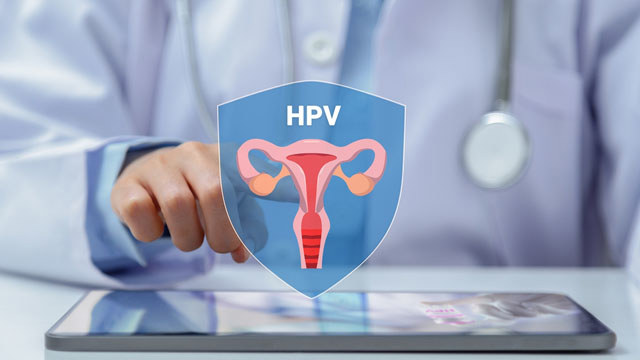
Cervical cancer is widely recognized as one of the most preventable forms of cancer when appropriate screening and follow-up care are consistently performed. The condition develops gradually, often over several years, beginning with persistent infection by high-risk strains of the human papillomavirus (HPV). HPV is a highly common virus, and most sexually active individuals will be exposed to it at some point in their lives.
In the majority of cases, the immune system clears HPV naturally without causing long-term harm. However, when high-risk HPV types—such as HPV 16 and 18—persist, they may lead to abnormal cellular changes in the cervix. These changes are categorized as cervical intraepithelial neoplasia (CIN), which can range from mild (CIN 1) to severe (CIN 3). Without timely detection and management, these precancerous lesions may progress into invasive cervical cancer.
One of the challenges of cervical cancer is its silent progression. Early stages typically do not produce noticeable symptoms, which is why routine screening plays a critical role in prevention. Symptoms such as abnormal vaginal bleeding, pelvic discomfort, or unusual discharge often appear only in more advanced stages.
At Tongil OB&GY Clinic, cervical health care is centered on early detection, accurate diagnosis, and long-term monitoring. By identifying abnormalities before they progress, patients can receive timely interventions that significantly reduce the risk of cancer development.
Advanced Screening and HPV Care: A Comprehensive Approach
Modern cervical screening has evolved into a multi-layered diagnostic process that enhances both sensitivity and specificity. Rather than relying on a single test, comprehensive screening combines cytology, virology, and visual assessment to create a complete clinical picture.
Key Diagnostic Services
- Pap Smear (Cytology Testing) This foundational screening method evaluates cervical cells for abnormalities. It remains an essential tool for detecting early precancerous changes.
- HPV DNA Testing Identifies the presence of high-risk HPV strains responsible for the majority of cervical cancer cases. This test helps stratify patients based on risk.
- Co-testing (Pap + HPV) Combining both tests increases diagnostic accuracy, particularly for women over 30. It allows clinicians to detect both existing cellular changes and underlying viral risk.
- Colposcopy Examination When abnormal results are detected, colposcopy provides a magnified, detailed view of the cervix. Special solutions may be applied to highlight abnormal tissue.
- Targeted Cervical Biopsy If necessary, small tissue samples are taken for histological analysis to confirm the diagnosis and determine the severity of abnormalities.
Risk-Based Screening Strategy
Screening at Tongil OB&GY Clinic is not uniform for all patients. Instead, it is tailored based on:
- Age and reproductive stage
- Previous screening results
- HPV vaccination status
- Family and medical history
- Immune system health
This personalized approach helps avoid both under-screening and unnecessary procedures, ensuring that each patient receives appropriate and efficient care.
Who Should Consider Cervical Screening and HPV Care?

Cervical screening is a cornerstone of preventive healthcare for women, yet many individuals remain uncertain about when to begin or how often to undergo testing.
General Recommendations
- Women aged 21–29: Pap smear every 3 years
- Women aged 30–65: HPV testing or co-testing every 3–5 years
- Women over 65: Screening may be discontinued based on prior normal results and physician guidance
Higher-Risk Groups
Certain individuals may require more frequent or specialized screening:
- Patients with a history of abnormal Pap or HPV results
- Those with weakened immune systems (e.g., autoimmune conditions or immunosuppressive therapy)
- Individuals with early sexual activity or multiple partners
- Patients with a history of sexually transmitted infections
- Women with prior cervical procedures or treatments
Special Considerations
- Pregnancy: Screening is generally safe and may be recommended if overdue
- Postmenopausal Women: Continued screening remains important despite hormonal changes
- HPV Vaccinated Individuals: Vaccination reduces risk but does not eliminate the need for screening
Regular screening is essential even in the absence of symptoms, as early-stage abnormalities are typically asymptomatic.
What to Expect During the Screening Process
Understanding the clinical process can help reduce anxiety and encourage patients to participate in regular cervical health evaluations.
Step-by-Step Process
- Comprehensive Consultation The visit begins with a discussion of medical history, menstrual patterns, sexual health, and any symptoms. This step allows the physician to assess individual risk factors.
- Pelvic Examination A speculum is gently inserted to visualize the cervix. The procedure is performed with care to minimize discomfort.
- Cervical Cell Collection A soft brush or spatula is used to collect cells from the cervix. The process takes only a few seconds.
- HPV Testing If indicated, the collected sample is analyzed for high-risk HPV strains.
- Additional Evaluation (if needed) Abnormal findings may lead to colposcopy or biopsy for further investigation.
- Results and Counseling Patients receive clear explanations of their results, including risk assessment and recommended follow-up intervals.
Patient Comfort and Privacy
At Tongil OB&GY Clinic, the appointment-based system ensures a calm and private environment. Adequate time is allocated for each consultation, allowing patients to ask questions and fully understand their care plan.
Expertise of Dr. Rae Ok Park in Cervical Health
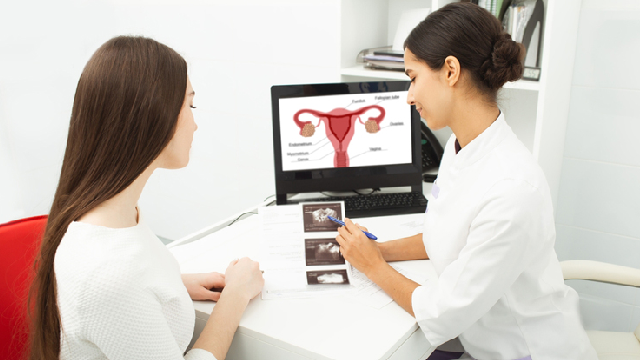
The quality of cervical cancer screening and HPV care is closely linked to the clinician’s expertise. At Tongil OB&GY Clinic, care is led by Dr. Rae Ok Park, whose extensive experience in obstetrics and gynecology is complemented by advanced academic training.
Professional Background
- MD and PhD with specialization in cervical cancer virology
- Certified OB-GYN specialist since 1992
- Graduate of Catholic Medical College
- Active contributor to clinical research and innovation
Research and Innovation
Dr. Park’s research has focused on HPV-related disease mechanisms and antiviral strategies. Her work includes:
- Development of antiviral and anticancer-related compounds
- Contributions to understanding viral persistence and cellular transformation
- Exploration of preventive and therapeutic approaches in gynecologic oncology
This research-driven perspective enhances clinical care by integrating scientific insights into everyday practice.
Clinical Philosophy
Dr. Park emphasizes:
- Early detection and prevention
- Evidence-based decision-making
- Clear communication with patients
- Long-term monitoring rather than episodic care
Her dual role as clinician and researcher supports a deeper understanding of cervical disease progression and individualized patient care.
Strengths of Tongil OB&GY Clinic
Focused, Patient-Centered Care
At Tongil OB&GY Clinic, patient care is structured around quality interactions rather than high patient volume.
Key advantages include:
- Extended consultation times
- Personalized risk assessment
- Consistent care from a single specialist
- Confidential and respectful clinical environment
Efficient Outpatient System
The clinic operates as a specialized outpatient facility, which allows for:
- Streamlined diagnostic workflows
- Efficient scheduling and minimal waiting
- Rapid follow-up and continuity of care
Integration of Research and Clinical Practice
The clinic’s foundation in research supports:
- Up-to-date screening protocols
- Evidence-based treatment recommendations
- Continuous improvement in patient outcomes
Recovery, Safety, and Realistic Expectations
Cervical screening procedures are designed to be safe, minimally invasive, and well-tolerated by most patients.
Post-Procedure Experience
- Mild spotting may occur after a Pap smear
- Slight discomfort may follow colposcopy or biopsy
- Symptoms typically resolve within a short period
Safety Protocols
- Use of sterile instruments and standardized procedures
- Careful handling of sensitive tissues
- Monitoring and follow-up for abnormal findings
Realistic Expectations
It is important for patients to understand that:
- Screening identifies risk but does not treat disease
- Abnormal results do not necessarily indicate cancer
- Most HPV infections resolve without intervention
- Early detection significantly improves treatment outcomes
When abnormalities are identified early, management options are often less invasive and highly effective.
The Importance of Ongoing Monitoring and Preventive Care
Cervical health requires continuous attention rather than a one-time evaluation. Even after normal results, regular follow-up is essential to maintain long-term health.
Preventive Strategies
- Routine cervical screening at recommended intervals
- HPV vaccination for eligible individuals
- Smoking cessation to reduce cervical cancer risk
- Maintenance of overall immune health
- Prompt evaluation of unusual symptoms
Long-Term Care Approach
At Tongil OB&GY Clinic, patients benefit from a structured follow-up system that adapts to changing health needs over time. This continuity of care supports early detection and timely intervention when necessary.
A Trusted Approach to Women’s Health in Seoul
With over two decades of clinical experience, Tongil OB&GY Clinic provides a structured and evidence-based approach to advanced cervical cancer screening and HPV care in Seocho-gu, Seoul.
Under the leadership of Dr. Rae Ok Park, the clinic integrates preventive medicine, advanced diagnostics, and personalized patient care. Its focus on privacy, efficiency, and long-term health management makes it a reliable choice for women seeking comprehensive gynecological services.
By prioritizing early detection, patient education, and continuity of care, Tongil OB&GY Clinic supports women in maintaining cervical health with clarity, confidence, and professional guidance.
More Articles
Continue reading our clinical guides.
Why Patients Choose Korea for Minimally Invasive Gynecological Care
The landscape of women’s healthcare in South Korea is undergoing a rapid transformation. According to the Korea Health Industry Development Institute KHIDI, foreign patient visits surged by 93.2% in 2024, with the medical tourism market pro
Learn More
Korean Medical Tourism: Why Reproductive Health Consultation Leads the Market
The landscape of global healthcare is shifting rapidly, with South Korea emerging as a premier destination for specialized care. In 2024, the South Korean medical tourism market surpassed a historic milestone, welcoming over 1.17 million fo
Learn More

Holistic Menstrual Cycle Care: A Local Niche for Women in Seoul
The landscape of women’s healthcare in South Korea is undergoing a significant shift. While traditional interventions have long focused on symptomatic relief, a growing number of women are seeking "root-cause" solutions. Recent market repor
Learn More